
Growing Arum Lily Bulbs Indoors vs Outdoors Guide
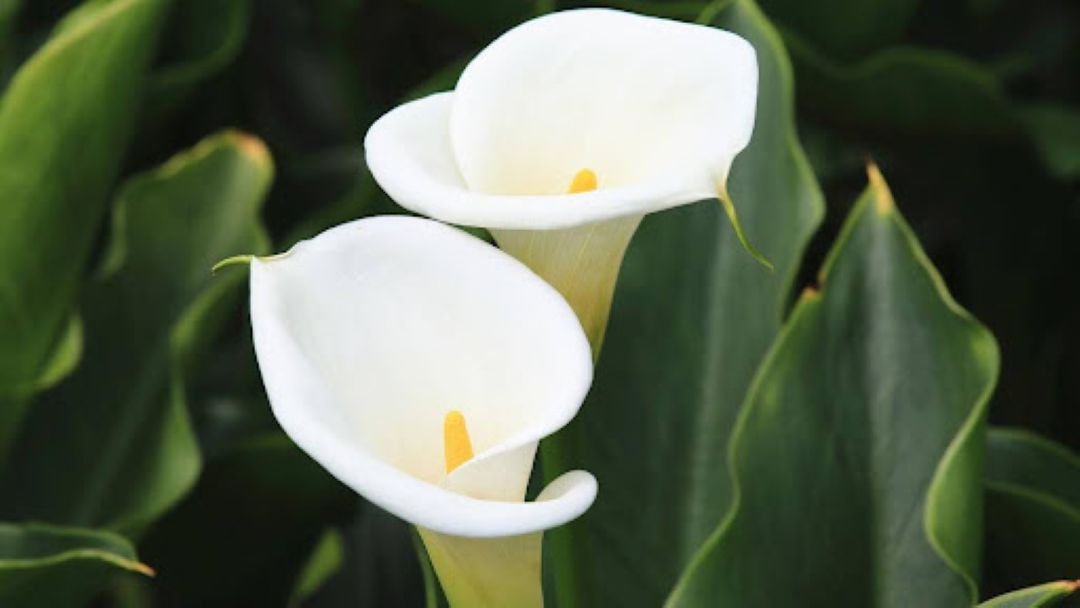
Arum lilies grow beautifully both indoors and outdoors when given the right light, soil, and care. The main difference lies in sunlight, space, and seasonal protection. Indoors offers control. The outdoors offers room to spread and natural growth.
Many gardeners enjoy growing Arum Lily Bulbs because they adapt well to different settings. Whether placed in a bright living room or planted in a garden bed, they can produce bold blooms with proper care.
This guide explains the key differences between indoor and outdoor growing. It helps gardeners choose the best option based on climate, space, and lifestyle.
Indoor Growing: Light, Space, and Control
Growing arum lilies indoors allows full control over light and watering. This is helpful in colder climates.
Arum lilies need bright, indirect light inside the home. A south- or west-facing window works best. Without enough light, plants may grow leaves but few flowers. According to horticulture extension guides, flowering bulbs require at least six hours of light daily for strong blooming.
Use pots with drainage holes. Fill them with light potting mix made for flowering plants. Keep soil moist but not soggy.
Indoor growing also protects plants from frost and heavy rain. However, space may limit their size. Arum lilies can grow tall, so larger containers are often needed.
Regular feeding supports indoor blooms. Use balanced fertilizer once a month during active growth.
Indoor care offers stability. It works well for apartments and small homes.
Outdoor Growing: Natural Conditions and Larger Growth
Outdoor planting allows arum lilies to reach full size. They thrive in garden beds, borders, and near water features.
When gardeners plant arum lily bulbs outdoors, they benefit from natural sunlight and rainfall. In cooler regions, full sun encourages blooms. In warmer climates, partial shade prevents leaf burn.
Outdoor soil should be rich and well-drained. Add compost before planting. Space rhizomes 12 to 18 inches apart for airflow.
Plants outdoors often grow larger than indoor ones. They also produce more blooms when conditions are right.
According to the Royal Horticultural Society (RHS), many arum varieties can tolerate light frost in mild climates. In colder areas, rhizomes may need lifting during winter.
Outdoor growing gives plants more room and stronger root systems.
Soil and Drainage Differences
Soil plays a major role in both settings. However, indoor and outdoor soil needs differ slightly.
Outdoor soil should be loamy and rich in organic matter. It must hold moisture but drain well. Poor drainage causes root rot.
Indoor plants rely on potting mix instead of garden soil. Potting mix stays lighter and allows air flow around roots.
Outdoor Soil Tips
- Mix compost deeply before planting.
- Avoid heavy clay without improvement.
- Test drainage after heavy rain.
Indoor Soil Tips
- Use quality potting mix.
- Never use compact garden soil in pots.
- Ensure drainage holes remain clear.
Balanced moisture is key in both cases. Strong roots depend on oxygen and steady hydration.
Healthy Arum Lily Bulbs perform well when the soil supports proper drainage.
Watering and Feeding Needs
Watering habits change based on location. Indoor plants dry out differently than outdoor ones.
Outdoor arum lilies benefit from natural rain. Still, during dry spells, regular watering is needed. Keep soil evenly moist in spring and early summer.
Indoor plants may need more frequent checks. Pots dry out faster, especially near sunny windows.
Feeding Guidelines
- Use balanced fertilizer monthly during active growth.
- Stop feeding after flowering ends.
- Avoid high-nitrogen formulas.
Research in plant nutrition shows balanced nutrients improve bloom size and stem strength. Overfeeding may lead to leaf growth without flowers.
Watch for yellow leaves. This may signal overwatering or poor drainage.
Consistent care supports strong blooms in both settings.
Seasonal Care and Winter Protection
Seasonal changes affect indoor and outdoor plants differently.
Outdoor arum lilies in mild climates may stay green year-round. In colder regions, frost damages leaves. Rhizomes may survive light frost but not deep freeze.
Outdoor Winter Steps
- Cut back leaves after frost.
- Lift rhizomes in cold zones.
- Store in a cool, dry place.
Indoor plants avoid frost risk. However, they may enter dormancy after blooming. Reduce watering during rest periods.
Place dormant indoor pots in cool areas with low light. Resume normal care when new growth appears.
Understanding seasonal timing prevents stress and supports future blooms.
Which Option Is Right for You?
Choosing between indoor and outdoor growing depends on space, climate, and personal preference.
Indoor growing suits small spaces and colder regions. It offers climate control and frost protection.
Outdoor growing provides room for larger plants and natural growth. It works well in mild climates with proper soil preparation.
Many gardeners combine both methods. They grow plants indoors during winter and move them outside in warmer months.
Arum Lily Bulbs serves home gardeners, plant enthusiasts, and floral designers with expert guidance on both growing methods. Their knowledge helps growers select varieties suited for indoor containers or outdoor landscapes.
With proper care, both options deliver stunning results.
Frequently Asked Questions
Q1. Can arum lilies grow indoors year-round?
Yes, they can grow indoors with bright light. Provide at least six hours of indirect sunlight daily. Reduce watering during dormancy.
Q2. Do outdoor arum lilies need winter protection?
In mild climates, they often survive outdoors. In cold regions, lift rhizomes before deep frost to prevent damage.
Q3. Which location produces more flowers?
Outdoor plants usually grow larger and may produce more blooms. However, indoor plants bloom well with proper light and feeding.
Q4. Can I move indoor plants outside?
Yes, during warm months. Gradually expose them to sunlight to avoid leaf burn. Bring them back inside before frost.
Q5. What soil works best for indoor arum lilies?
Use a light potting mix with good drainage. Avoid heavy garden soil in containers.
Conclusion
Arum lilies thrive both indoors and outdoors when given proper light, soil, and care. Indoor growing offers control and frost protection. Outdoor planting provides space and natural growth. Both methods can produce bold, elegant blooms with steady watering and balanced feeding.
Choosing quality Arum Lily Bulbs ensures strong roots and healthy flowers in any setting. As a trusted authority in cultivating giant hybrid arum and calla lilies, Arum Lily Bulbs provides expert advice and premium varieties for every gardener.
Explore their collection today and enjoy vibrant lilies wherever you choose to grow them.










0 Comments